

The Can Seaming Industry: Ensuring Quality, Durability, and Efficiency
In today’s fast-paced, convenience-driven world, the importance of packaging cannot be overstated. Cans have become an indispensable part of the packaging industry, providing a durable, lightweight, and sustainable solution for preserving food, beverages, and other products. At the heart of this process lies a critical step that ensures the integrity of every can: seaming.
What Is Can Seaming?
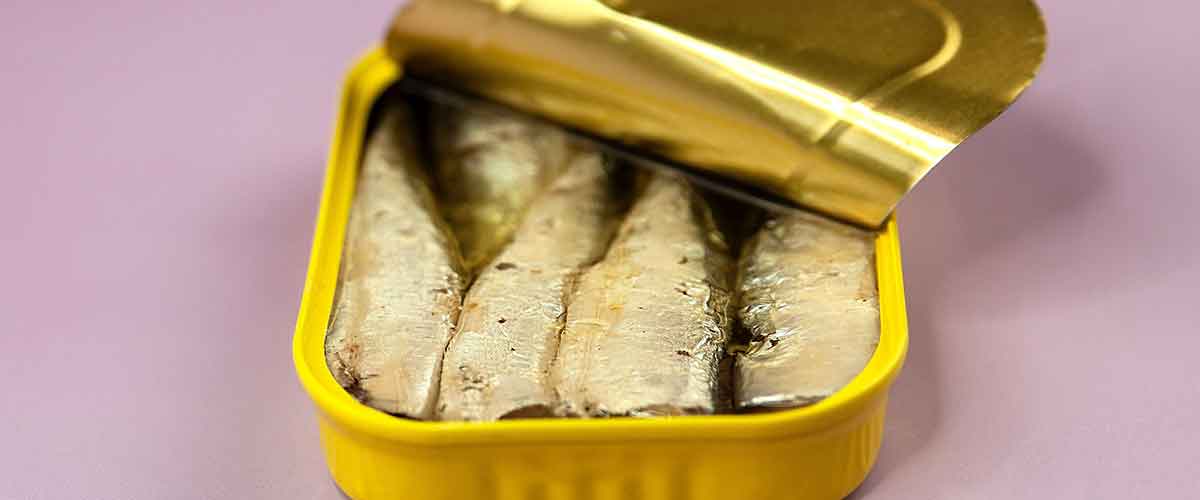
Can seaming is the process of attaching the lid (or end) to the body of a can, creating an airtight and secure seal. This process is essential to preserving the contents inside, ensuring freshness, preventing contamination, and extending shelf life. Whether it’s your favorite soda, a ready-to-eat meal, or pet food, you can thank can seaming technology for keeping it safe and intact.
The Evolution of Can Seaming
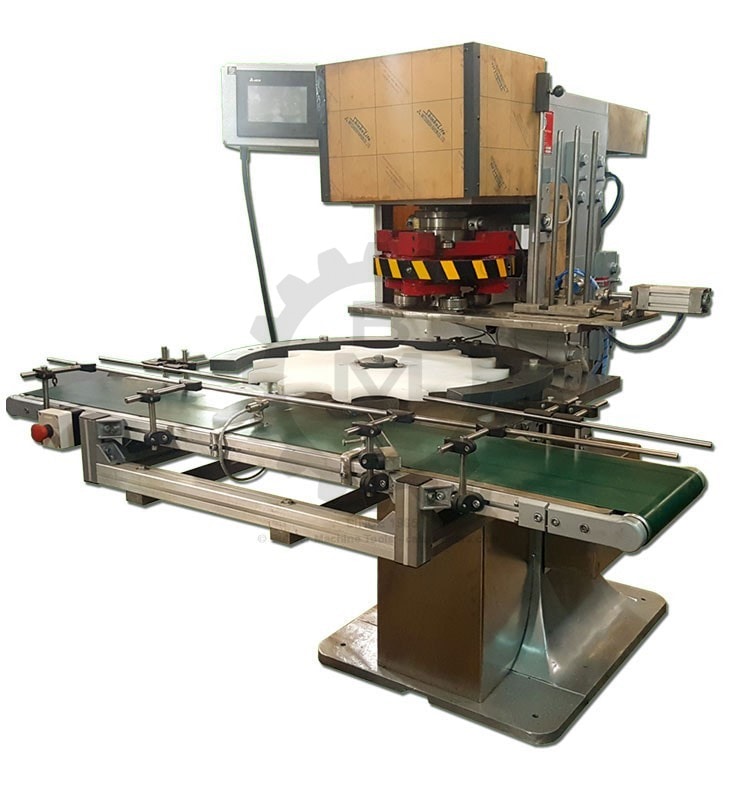
The canning process dates back to the early 19th century, with the advent of sealed tin containers for preserving food. Over the years, can seaming has evolved significantly, driven by technological advancements and the demand for efficiency. Modern can seamers are highly automated, capable of producing thousands of cans per hour with precision and consistency.
Today’s seamers feature advanced quality control mechanisms, ensuring that each seam meets stringent safety and performance standards. These innovations have made the can seaming industry a cornerstone of modern packaging.
Key Components of a Perfect Seam
Creating a reliable can seam requires meticulous attention to detail and the right equipment. The seaming process involves:
- Seaming Rolls and Chucks: These components form and tighten the seam, ensuring a secure bond between the lid and the can body.
- Double Seaming Process: Modern seamers use a two-step process—the first operation forms the initial bond, while the second operation tightens and secures the seam.
- Quality Assurance: Seam integrity is critical. Advanced inspection systems check for tightness, overlap, and uniformity to prevent leaks or contamination.
Sustainability and the Can Seaming Industry
Cans are one of the most recyclable forms of packaging available, and the can seaming industry plays a vital role in this sustainability story. Aluminum and steel cans are infinitely recyclable, reducing waste and conserving resources. By optimizing seaming processes and minimizing material usage, the industry continues to innovate in ways that benefit both businesses and the environment.
Challenges and Opportunities
While the can seaming industry has seen remarkable progress, it also faces challenges such as:
- Adapting to New Materials: As lightweight and eco-friendly materials gain popularity, seamers must adapt to ensure compatibility without compromising quality.
- Meeting Regulatory Standards: Global food safety and packaging standards demand rigorous testing and compliance.
- Technological Integration: The rise of smart manufacturing and IoT offers opportunities to enhance efficiency, but it also requires investment and expertise.
The Future of Can Seaming
Looking ahead, the can seaming industry is poised for continued growth, fueled by trends such as increased demand for ready-to-eat meals, craft beverages, and sustainable packaging solutions. Innovations in automation, data analytics, and material science will drive further advancements, making seaming faster, smarter, and more reliable than ever.
Conclusion
The can seaming industry is much more than a technical process; it’s a critical link in the chain of product safety, sustainability, and consumer satisfaction. As the industry evolves to meet new challenges and opportunities, one thing remains constant: its commitment to delivering high-quality, dependable packaging solutions that keep products fresh and consumers happy.
Whether you’re in the food and beverage sector or exploring can seaming solutions for your business, staying informed about the latest trends and technologies can help you make the most of this essential packaging method.